
Psychiatry Residency
Jean Griffith, MD
Program Director
Curriculum
Year-by-year training structure and rotation schedule
Our clinical schedule is built with the PGY1 & 2 years being based on a 13-block year. The first year you will fulfill your ACGME primary care requirement with 2 months of Internal Medicine, one month Family Medicine and the fourth month you can pick between Internal Medicine, Family Medicine, Pediatrics or Emergency Medicine. You will also have your neurology rotation for two months, leaving the remaining 6 months or 7 blocks to rotate through Psychiatry. PGY2 year we want to ensure you get exposure to specialties early on. You will rotate through Forensic Psychiatry, Geriatric Psychiatry, and both In and Outpatient Child Psychiatry. Your PGY3 & PGY4 being scheduled longitudinally. You have the option to rotate through several of our many outpatient clinics (https://www.ruhealth.org/behavioral-health), both Behavioral Health and Community Health Centers (CHC About Us | Riverside University Health System) which provide integrated psychiatric care. As we want you to be able to explore and feel comfortable in other health care systems you also have the option to rotate through Kaiser and Loma Linda SAC Health. Your 4th year will also be tailored to your interests with the ability to rotate through many sites or even serve in a junior attending role in the hospital.
o Inpatient Treatment Services (ITF) - 5 blocks o Emergency Treatment Services Psychiatry (ETS) - 2 blocks o Family Medicine - 1 block o Internal Medicine - 2 blocks o Neurology - 2 blocks 1 block: Residents may choose from: o Emergency Medicine o Family Medicine o Internal Medicine o Pediatrics
o Child/Adolescent Psychiatry - Inpatient 1-2 blocks o Child/Adolescent Psychiatry - Outpatient 1-2 blocks o Detention Care Unit (DCU) - Correctional Psychiatry 1 block o Emergency Treatment Services Psychiatry (ETS) - 1 block o Geriatric Psychiatry - 1-2 blocks o Hospital Float - 1 block o Inpatient Psychiatry - (Acute Unit) 2 blocks o Psychiatry Consult-Liaison (PCLS) - 3 blocks
o Addiction Psychiatry Longitudinal - 1 month equivalent o Electives Longitudinal - 0–1-month equivalent o Outpatient Psychiatry Longitudinal – 12 months¬ o Resident Education and Continuity Clinic (Medication and Therapy Services) - 2 months minimum o Mobile Psychiatry Service – 1 month minimum
o Addiction Psychiatry o Administrative Psychiatry o Board Prep o CBAT (Community Behavioral Health Assessment Team) o Child/Adolescent Psychiatry / Transitional Age Youth (TAY) o Forensics Psychiatry o Geriatric Psychiatry o Interventional Psychiatry o Mobile Psychiatry Service o New Life Telehealth o Outpatient Behavioral Health Continuity Clinic o Research o Resident Education and Continuity Clinic (Medication and Therapy Services) o Sports Psychiatry o Teaching Elective o Therapy Group Leader
Didactics & Academic Activities
PGY-1 — 1. Pathophysiology, diagnosis, and inpatient management of primary mood, psychotic, anxiety, and personality disorders.
2. Pharmacology of anti-psychotics, mood Stabilizers, anti-depressants, and anxiolytics.
3. Interventions for substance abuse disorders.
4. Introduction to ethics in psychiatry, including specifics of involuntary commitment and compelled treatment laws.
5. Non-pharmacologic interventions, including motivational interviewing and CBTp (Cognitive Behavioral Therapy for Psychosis).
PGY-2 — 1. Topics in Consultation-Liaison Psychiatry, including NMS, serotonin syndrome, delirium management in the critical care setting, cardiac psychiatry, HIV psychiatry, transplant psychiatry, eating disorders, cognitive disorders, and neurofunctional disorders.
2. Advanced psychopharmacology, including pharmacogenetics and drug-drug interactions.
3. Topics in child psychiatry and geriatric psychiatry.
4. Forensic psychiatry, including advanced capacity determination, management of patients in the judicial system and patients with anti-social personality disorder
5. Psychotherapy in the medical ill.
PGY-3 — 1. Perinatal psychiatry.
2. Coverage of specific CBT-based psychotherapeutic modalities, including ERP and trauma-focused therapy.
3. Psychodynamic therapy.
4. Psychoanalytic therapy.
5. Outpatient management of primary mood, psychotic, anxiety, and personality disorders.
Faculty & Staff
Meet the physicians and coordinators who lead our program
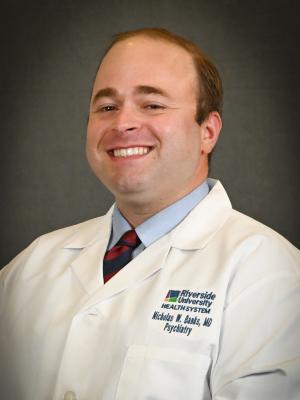
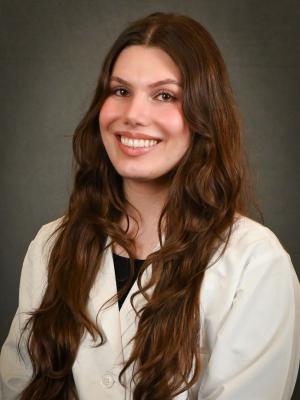
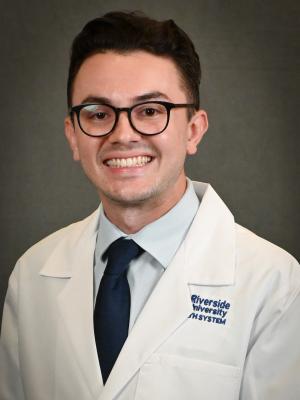
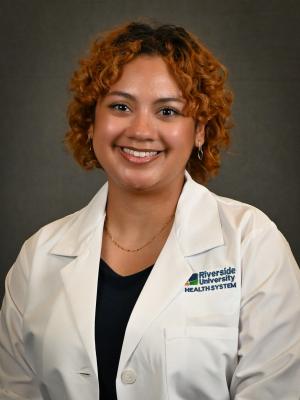
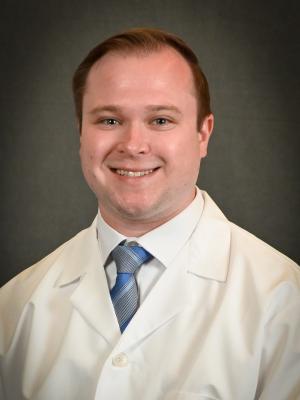
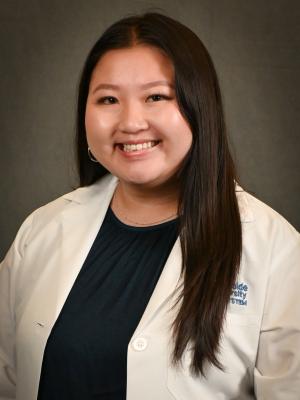
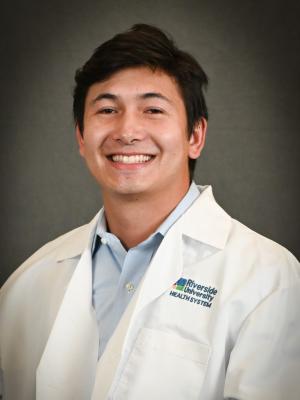
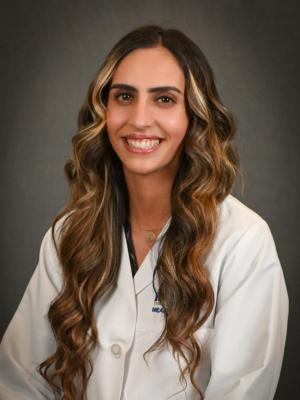
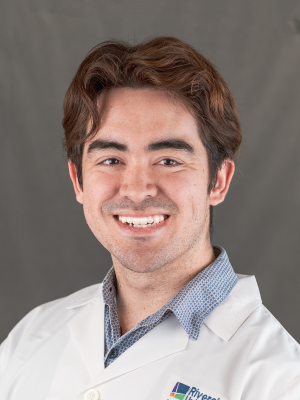
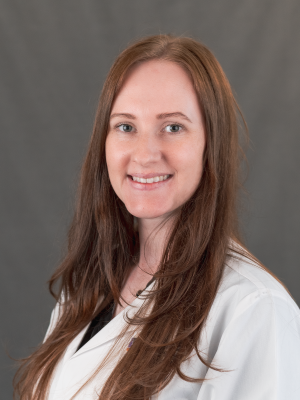
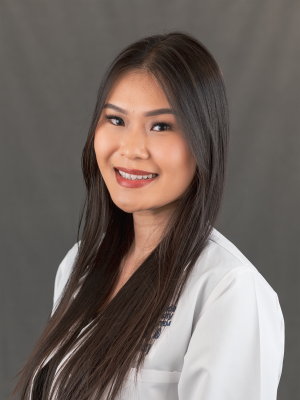
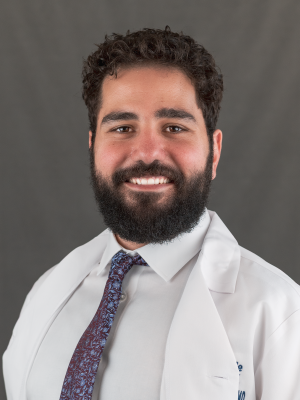
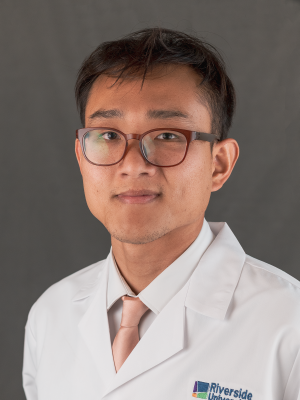
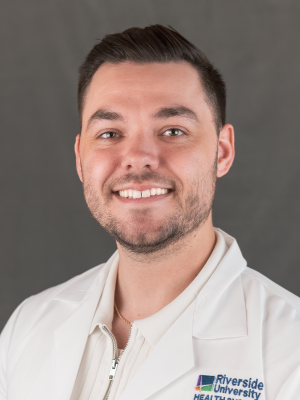
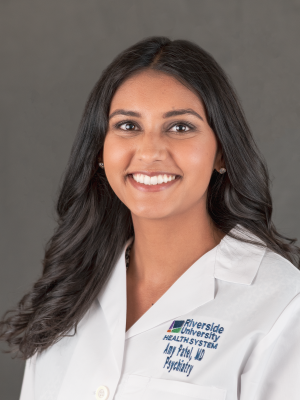
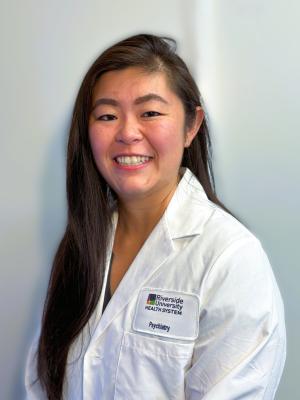
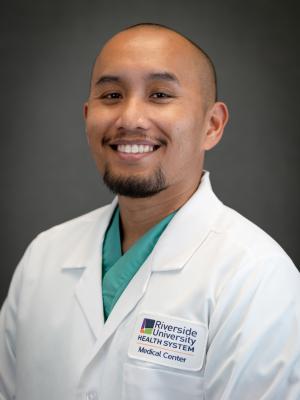
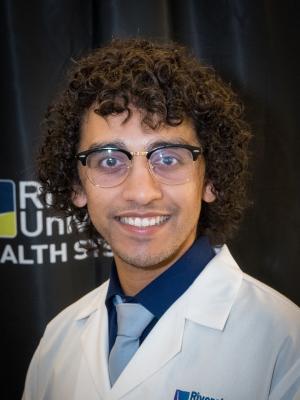
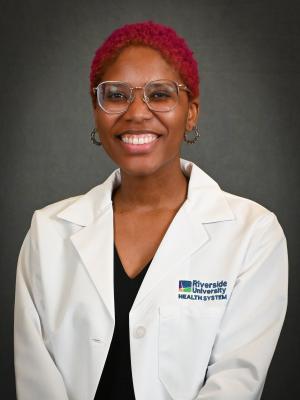
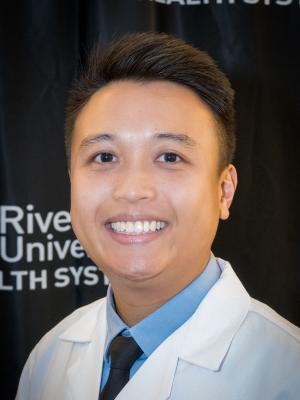
Current Residents
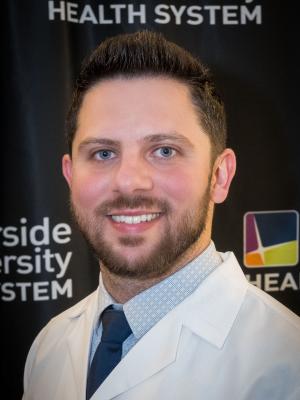
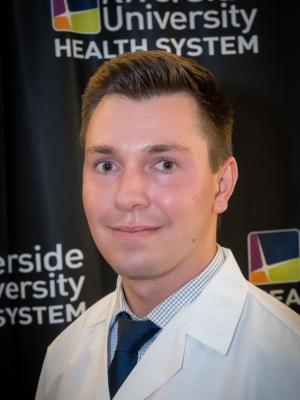
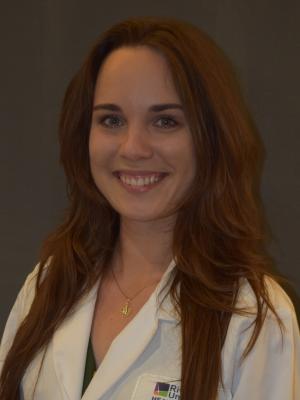
Our resident physicians by training year




Salary & Benefits
Compensation and benefits for all RUHS residency program trainees
| Year | Annual Salary | Biweekly |
|---|---|---|
| PGY-1 | $74,880 | $2,880 |
| PGY-2 | $76,977 | $2,961 |
| PGY-3 | $80,003 | $3,077 |
| PGY-4 | $83,160 | $3,198 |
Required Disclosure Documents
Per ACGME requirements, the following documents must be made available to all applicants