
Orthopaedic Surgery Residency
Curriculum
Year-by-year training structure and rotation schedule
The first year resident rotates on the Orthopaedic Surgery Service at Riverside University Health System. In addition, the PGY-1 will rotate through the Vascular Surgery, Anesthesia, Emergency Medicine, Surgical Intensive Care Unit, Plastics, Infectious Disease/Radiology, and Internal Medicine. The major goal of the PGY-1 year is to develop entry-level skills knowledge and abilities while helping manage the surgical and non-surgical patient. The PGY-1 resident is responsible for the day-to-day care of patients on the service to which they are assigned under the direct supervision of senior residents and faculty. These activities will provide experience in the principles of pre- and post-operative care, experience as an assistant and an operating surgeon working under direct supervision.
The goal of the second year resident is to gain experience in the outpatient and inpatient management of different orthopaedic conditions. Operating room experience emphasizes acquiring basic psychomotor technical skills as well as teaching the fundamental principles of orthopaedic surgery, anatomy, and surgical dissection. During each rotation, the second year resident serves as a junior resident of clinical services and receives an introduction to the operative needs of the patients on the general orthopaedics, trauma, spine/research, sports/pediatrics/shoulder & elbow, and Foot & Ankle/Research services.
At this point in the program, the PGY-3 resident should have gained sufficient knowledge and experience to more actively direct the care of patients. On some rotations the PGY-3 resident will be directly responsible to a chief resident or to the attending faculty. Extensive experience in both inpatient and outpatient care continues at this level, as well as increasing experience in the operating room. Cases increase in number and in complexity during this year, providing the resident with the background necessary to enter the senior resident years (four and five).
The PGY-4 residents responsibility for patient care continues to increase and in some rotations the PGY-4 resident reports directly to the chief residents and attending staff. Even in instances that involve the fifth-year as Chief Resident, the fourth-year will have specific clinical responsibilities that allow for functioning as the supervising resident. PGY-4 resident become more actively involved in the development of treatment plans for both out- and in-patients, while moving the roles of primary surgeon and first assistant in the operating room.
During this final year, the PGY-5 resident always functions as the Chief of service. Responsibility for all clinical activities of service, inpatient and outpatient care, as well as all operating room activity is givent to the PGY-5 resident. The coordination of all resident activity and the oversight of the care provided is the resident's responsibility, working directly with the Chief of Service and other members of the teaching faculty. The roles of primary surgeon and first assistant continue in the operating room, depending on the complexity of the case.
Didactics & Academic Activities
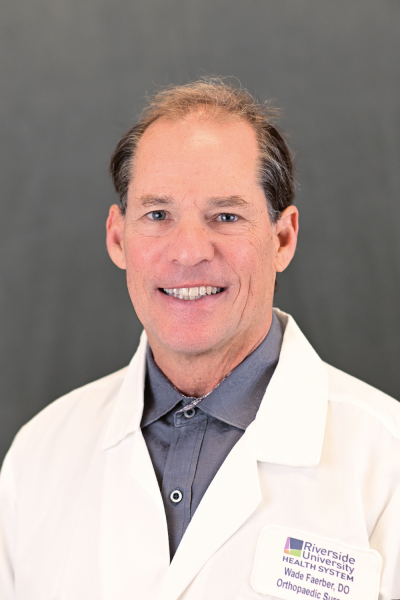
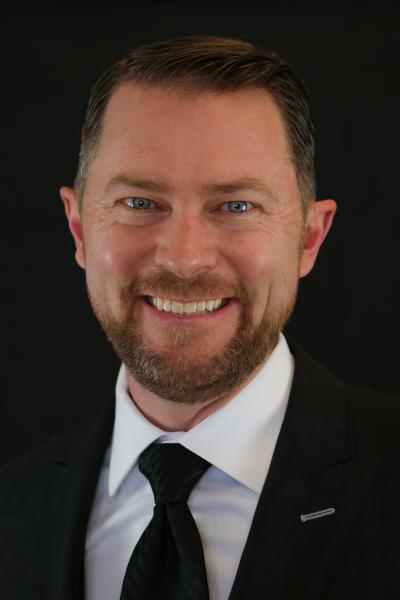
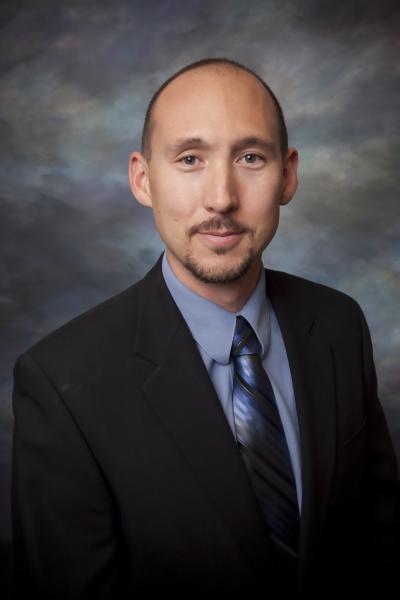
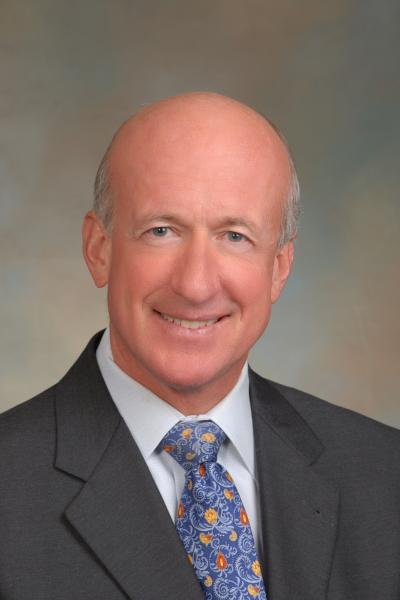
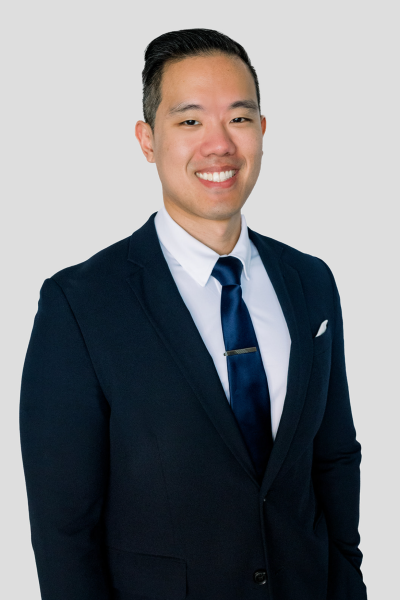
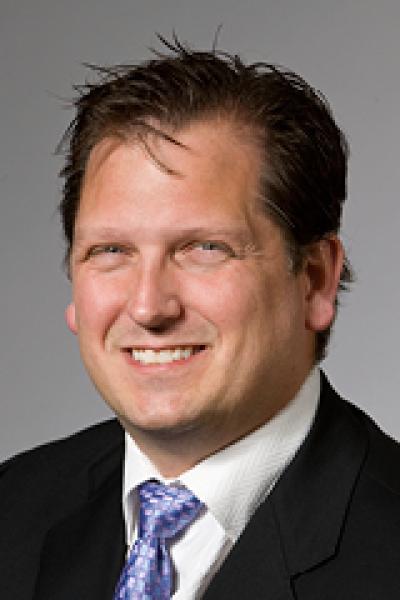
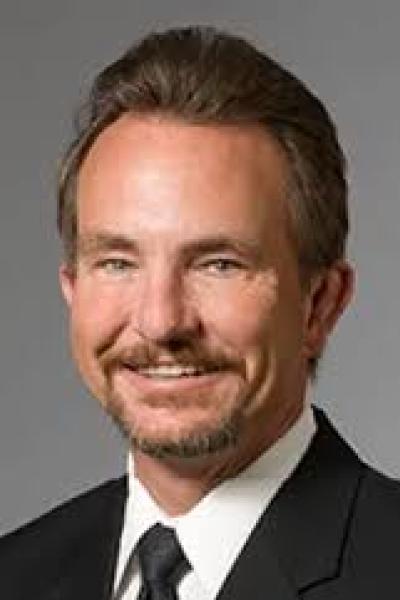
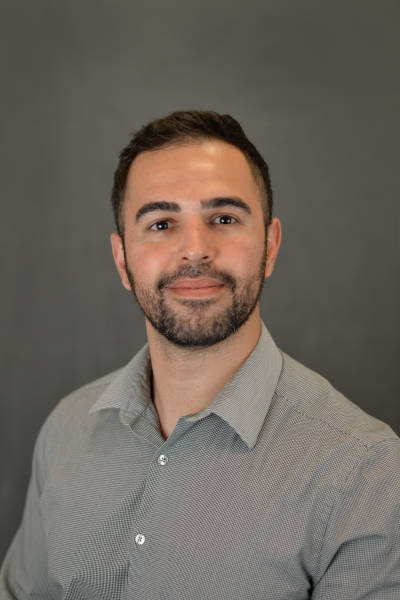
Faculty & Staff
Meet the physicians and coordinators who lead our program


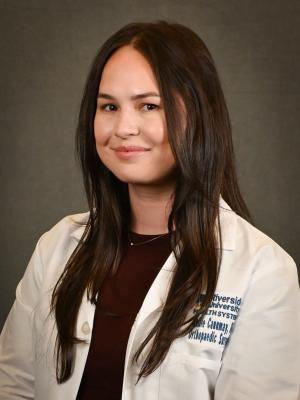
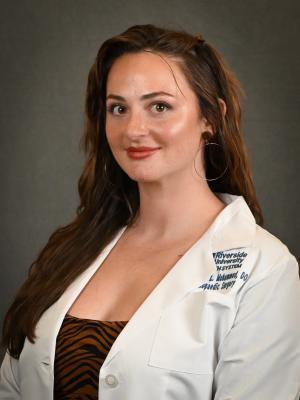
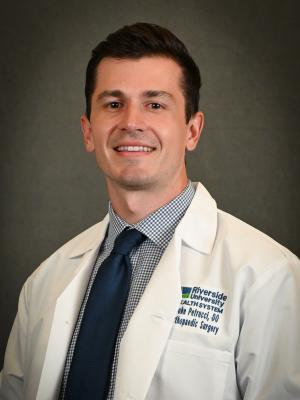
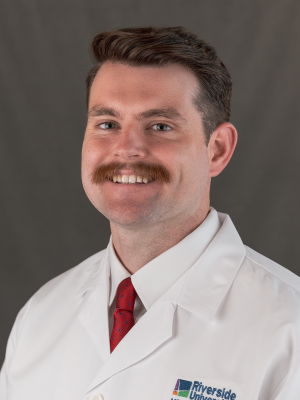
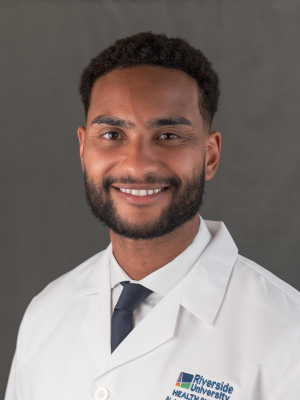
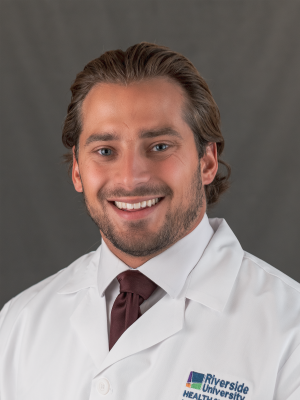
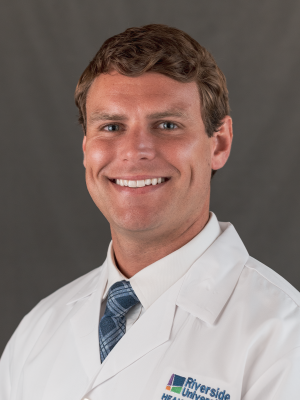
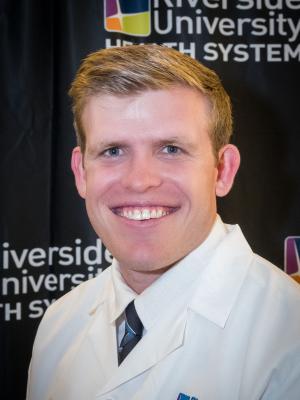
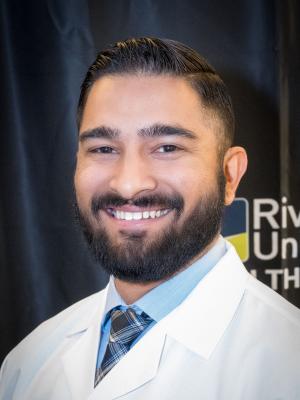
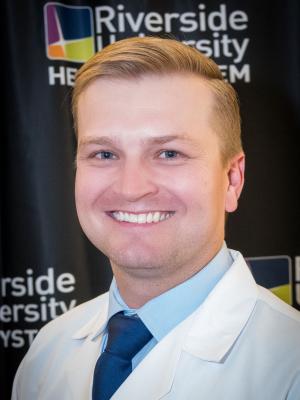
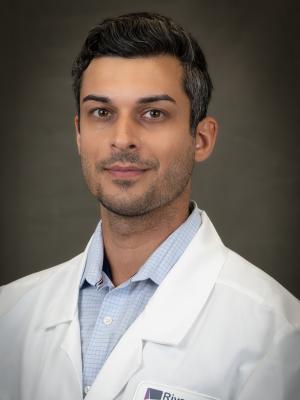
Current Residents
Our resident physicians by training year
Salary & Benefits
Compensation and benefits for all RUHS residency program trainees
| Year | Annual Salary | Biweekly |
|---|---|---|
| PGY-1 | $74,880 | $2,880 |
| PGY-2 | $76,977 | $2,961 |
| PGY-3 | $80,003 | $3,077 |
| PGY-4 | $83,160 | $3,198 |
| PGY-5 | $86,563 | $3,329 |
Required Disclosure Documents
Per ACGME requirements, the following documents must be made available to all applicants