
Obstetrics & Gynecology Residency

Ashley Beem, MD
Program Director
Curriculum
Year-by-year training structure and rotation schedule
PGY-1: Foundational Clinical Skills and Knowledge GOALS: Establish foundational skills in obstetric and gynecologic care and fundamentals. Demonstrate safe, supervised clinical and procedural practice. Build communication, professionalism, and team-based competencies. Learn basic inpatient and outpatient evaluation and management of routine gynecologic and obstetrical conditions. Develop proficiency in essential procedures, such as uncomplicated vaginal deliveries and initial assessment of gynecological emergencies. Build foundational knowledge, exposure, and entry-level competence. OBJECTIVES: 1. Patient Care & Medical Knowledge o Conduct comprehensive histories and physical exams for OB/GYN patients. o Develop differential diagnoses for common OB/GYN conditions. o Demonstrate basic knowledge of normal labor, delivery, and postpartum care including common medical complications in pregnancy; perform basic obstetric skills. o Assist in vaginal deliveries and cesarean sections under direct supervision. o Begin participating in office-based gynecology and prenatal care. o Describe low-risk prenatal care, basic antenatal testing, and normal labor. o Prepare equipment/positions, recognize anatomy alterations. 2. Professionalism & Communication o Demonstrate punctuality, ethical behavior, and accountability. o Communicate effectively with patients, families, and the healthcare team. o Document accurately and timely in the medical record. o Take accurate histories, perform physical exams, and document findings. o Engage in multidisciplinary rounds; begin giving/receiving feedback. o Respond to patient needs with respect and compassion; maintain punctuality and a positive attitude. 3. Systems-Based Practice & Practice-Based Learning o Understand RUHS workflows, EMR systems, and interprofessional collaboration. o Begin identifying quality improvement opportunities.
PGY-2: Developing Clinical Independence and Procedural Proficiency GOALS: Manage routine OB/GYN patients with increasing autonomy. Refine technical skills in labor and delivery and gynecologic procedures. Expand clinical reasoning and participate in patient safety initiatives. Expanded decision-making, procedural independence under supervision. Build on foundational knowledge and skills, taking on more responsibility and managing increasingly complex cases. OBJECTIVES: 1. Patient Care & Medical Knowledge o Independently manage routine labor and uncomplicated vaginal deliveries. o Perform common office and inpatient procedures (e.g., IUD insertion, endometrial biopsy, D&C). o Assist in major gynecologic surgeries. o Manage antepartum and postpartum complications with supervision. o Provide antepartum care for women with uncomplicated pregnancies; recognize and manage common intrapartum complications. o Identify and manage pre-term labor, preeclampsia, and gestational diabetes. 2. Professionalism & Communication o Respond promptly to pages and clinical responsibilities. o Deliver difficult news with compassion and professionalism. o Supervise and teach junior residents and medical students. 3. Systems-Based Practice & Practice-Based Learning o Integrate evidence-based medicine into clinical decision-making. o Participate in morbidity and mortality conferences, analyzing patient care and applying evidence and quality reviews. o Participate in discussions identifying system-based issues.
PGY-3: Clinical Leadership and Advanced Procedural Competence GOALS: Demonstrate competency in managing complex OB/GYN cases. Operative leadership, complex case management, lead clinical teams and junior trainees. Serve as a patient advocate and system improver. Achieve a higher level of competence in managing complex obstetrical and gynecological conditions and participate in surgical procedures with greater independence. OBJECTIVES: 1. Patient Care & Medical Knowledge o Perform operative vaginal deliveries and primary cesarean sections. o Manage high-risk obstetric and gynecologic conditions. o Perform laparoscopic and hysteroscopic procedures under supervision. o Consult on inpatients and emergency gynecologic conditions. o Provide antepartum care for women with uncomplicated pregnancies; recognize and manage common intrapartum complications. o Identify and manage pre-term labor, preeclampsia, and gestational diabetes. 2. Professionalism & Communication o Lead handoffs, rounds, and interdisciplinary care discussions. o Demonstrate insight into personal limitations and seek guidance appropriately. 3. Systems-Based Practice & Practice-Based Learning o Lead departmental QI initiatives. o Complete a scholarly activity proposal or mid-project presentation. o Participate in morbidity and mortality conferences, analyzing patient care and applying evidence. o Participate in discussions identifying system-based issues.
PGY-4: Readiness for Independent Practice and Leadership GOALS: Mastery of residency-level competencies; leadership, autonomy, and preparation for independent practice Demonstrate readiness for unsupervised practice. Lead care teams, teaching, and QI efforts. Finalize career planning and board readiness. Achieve proficiency in all aspects of obstetrics and gynecology, demonstrating leadership and mentorship abilities. OBJECTIVES: 1. Patient Care & Medical Knowledge o Provide care for women with complex intrapartum complications; identify indications for referral or transfer. o Serve as primary surgeon for complex cases with faculty oversight. o Independently manage obstetric emergencies (e.g., shoulder dystocia, PPH). o Lead interdisciplinary rounds and respond to OB/GYN emergencies. o Demonstrate a complete understanding of basic science and clinical management. o Consolidate deeper knowledge; contribute to scholarly work, presentations, or case reports. 2. Professionalism & Communication o Resolve conflicts, manage team dynamics, and provide effective feedback. o Serve as a role model in professionalism, integrity, equity and educator for junior residents and other learners. o Model ethical, responsible behavior; promote wellness culture among peers. 3. Systems-Based Practice & Practice-Based Learning o Complete and present a scholarly project. o Mentor junior residents and contribute to curriculum development. o Engage in patient safety, hospital committee work, and peer-review processes. o Demonstrate knowledge of institutional systems, medical error reporting, and patient safety standards. o Lead platform for department-level improvements or protocol development.
Didactics & Academic Activities
Faculty & Staff
Meet the physicians and coordinators who lead our program











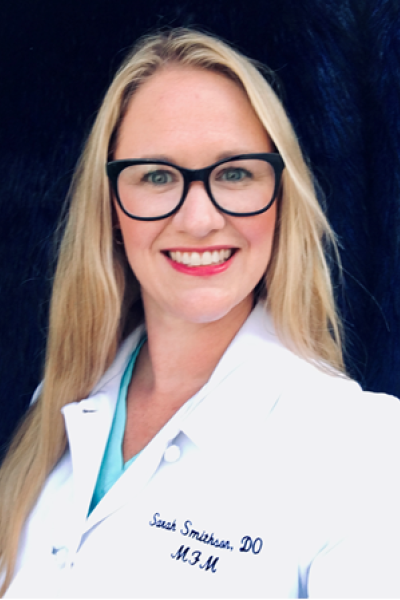



Current Residents
Our resident physicians by training year
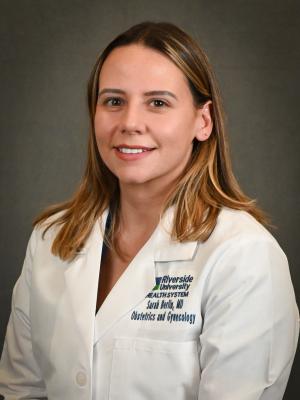
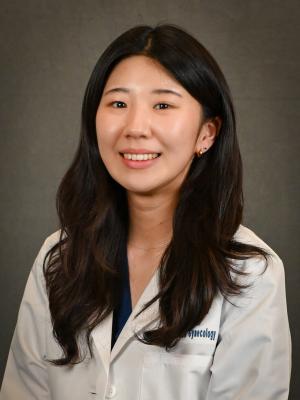
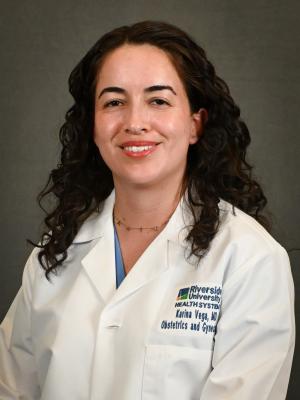
Salary & Benefits
Compensation and benefits for all RUHS residency program trainees
| Year | Annual Salary | Biweekly |
|---|---|---|
| PGY-1 | $74,880 | $2,880 |
| PGY-2 | $76,977 | $2,961 |
| PGY-3 | $80,003 | $3,077 |
| PGY-4 | $83,160 | $3,198 |
Required Disclosure Documents
Per ACGME requirements, the following documents must be made available to all applicants