
Neurosurgery Residency
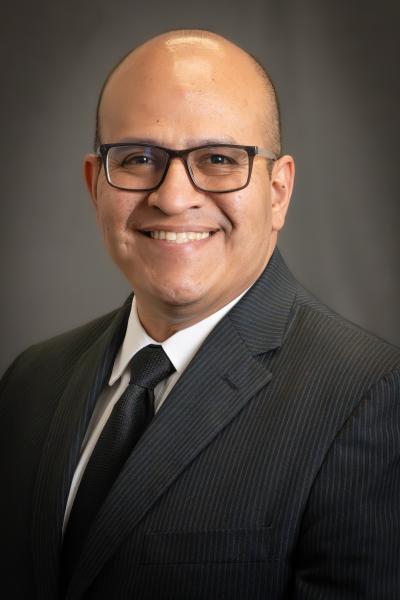
Dan Miulli, DO
Program Director
Curriculum
Year-by-year training structure and rotation schedule
Rotations providing well-rounded exposure: ½ day/week neurosurgery outpatient clinic (46 weeks); 1 mo general internal medicine; 1 mo SICU; 2 mo MICU; 1 mo anesthesia; 1 mo emergency medicine; 1 mo general surgery; 3 mo neurology; 3 mo neurosurgery. Academic Skills Reading and lectures on general postgraduate clinical knowledge in medicine, women's health, surgery, pediatrics, neuroanatomy, and neurophysiology. Attend basic science lectures through GME office. Attend neurosurgery Grand Rounds covering applied neuroanatomy, cerebral metabolism, CBF dynamics, ICP management, and basic neuropharmacology. Learn to write a scientific paper using the Case Report format — outline due by December. Present articles at monthly Journal Club and oral case presentations at weekly Case Management Conference. Clinical Skills Obtain proficiency in relevant history-taking and examination on each rotation. Assist senior residents and attendings. Read about specific disease processes encountered. Function as surgical assistant beginning to develop wound opening/closing, burr holes (power and manual), and ICP monitoring device insertion skills. Participate in outpatient clinic, ER evaluations under guidance, and in-patient care of both pediatric and adult patients.
9 months Neurosurgery + 3 months Research Academic Skills Continue reading on neuroanatomy, neurophysiology, cerebral metabolism, CBF dynamics, ICP management, craniospinal trauma, cerebral neoplasms, and spine disorders. Present articles at Journal Club; prepare oral case presentations for Case Management Conference. Case Report outline due by December. Clinical Skills Improve proficiency in neurologic history and examination. Learn neurosurgical instrumentation (headrests, retractor systems, stereotactic frames, surgical microscope, frameless stereotaxy). Function as surgical assistant; develop skills for opening/closing wounds, creating burr holes, inserting ICP monitoring devices. Begin neuroradiology rotation — attend neuroimaging conferences, become proficient in interpreting all contemporary neuroimaging. Participate in outpatient clinic and ER evaluations.
9 months Neurosurgery + 3 months Research Academic Skills Expand neurosurgical knowledge base with broader reading. Case management discussions expected to deepen; decreasing reliance on chief and attending for day-to-day direction. Complete Neurology rotation requirements this year. Annual paper of greater substance than a case report — outline due by December. Clinical Skills Continue as first assistant; begin performing more surgical procedures under supervision — opening, exposing pathology, assisting in removal, and closing cranial and spinal cases. Demonstrate improved ER diagnosis and management skills. More familiar with outpatient management. During Neurology rotation: evaluate and manage patients with neurological disorders and develop thorough understanding of neurologic examination, case management, and clinical neurology.
3 months Neurosurgery + 6 months Pediatrics + 3 months Research Academic Skills Broaden reading beyond standard references. Directly responsible for medical students on elective rotations. Annual paper must be more sophisticated; must submit a paper for publication — outline due by December. Poster session for ACOS Annual Meeting may substitute. Clinical Skills Assume greater role in outpatient and office population management. Evaluate new patients and discuss diagnosis and management options. In the OR, performing more surgical procedures under supervision with attending acting as first assistant during resident-performed phases. Advanced neurosurgical operating skills expected. Neuropathology rotation: actively review histological specimens, attend brain-cutting conferences, assist in the neuropathology laboratory.
3 months Elective or Neurosurgery + 6 months Neurosurgery + 3 months Research Academic Skills Continue expanding knowledge and assume responsibility for more junior resident education. Complete and publish research projects; extensive peer-reviewed paper required — outline due by December. Eligible for out rotations in areas of specialization as approved by Program Director. Clinical Skills Continue expanding surgical independence and clinical leadership. Manage in-patient care including pediatric and adult patients. Demonstrate consistent expertise in neurological management of all conditions. Coordinate junior resident activities including academic programs, call and vacation schedules.
12 months Neurosurgery (can include elective) Academic Skills Assume management of the Neurosurgical service. Expected to lead junior resident education, coordinate academic programs, call and vacation schedules, and administrative activities. Read assigned journals and present at Journal Club; prepare case presentations for Case Management Conference. Complete and publish extensive peer-reviewed papers. Clinical Skills Demonstrate progressive advancement of clinical and technical skills culminating in completion of residency. Take more active role in outpatient and office activities. Demonstrate consistent expertise in all areas of neurosurgical management. Lead junior resident teams. Eligible for out rotations in subspecialty areas.
CHIEF — 12 months Neurosurgery Academic Skills Assume management of the Neurosurgical service. Expected to lead junior resident education, coordinate academic programs, call and vacation schedules, and administrative activities. Read assigned journals and present at Journal Club; prepare case presentations for Case Management Conference. Complete and publish extensive peer-reviewed papers. Clinical Skills Demonstrate progressive advancement of clinical and technical skills culminating in completion of residency. Take more active role in outpatient and office activities. Demonstrate consistent expertise in all areas of neurosurgical management. Lead junior resident teams. Eligible for out rotations in subspecialty areas.
Didactics & Academic Activities
Social Events — Jun-Meet and Greet
Aug-Barbeque Throw down
Aug-Team Building
Oct-Halloween Party
Nov-Thanksgiving Dinner
Dec/Jan-Holiday Dinner
Jan-New Year’s Eve
Jan/Feb-Retreat
Mar-Post In-service Party
Apr-Holiday Dinner
Jun-Graduation, Graduation, Graduation
Jun-Social Event Hello & Goodbye
Faculty & Staff
Meet the physicians and coordinators who lead our program
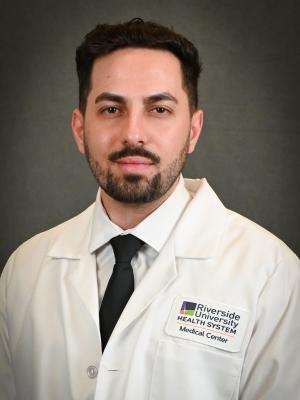
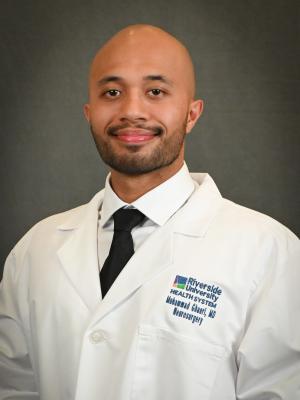
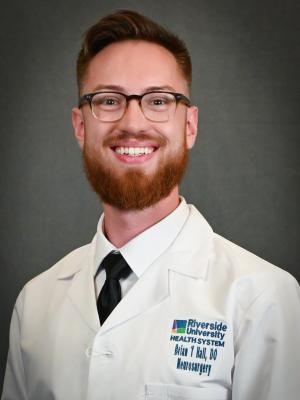
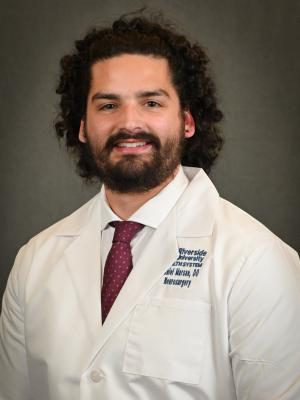
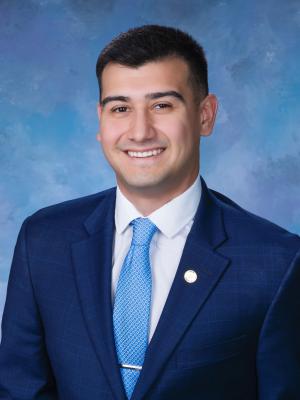
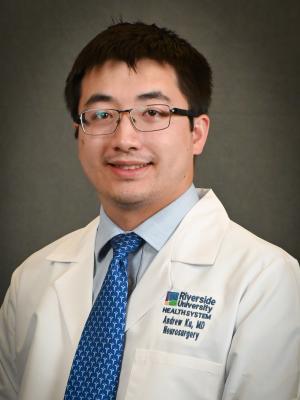
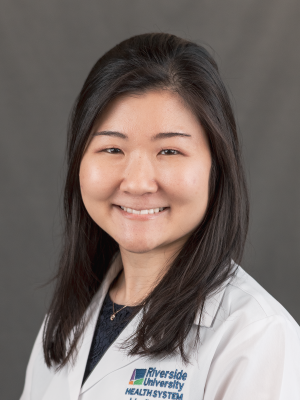
Current Residents
Our resident physicians by training year
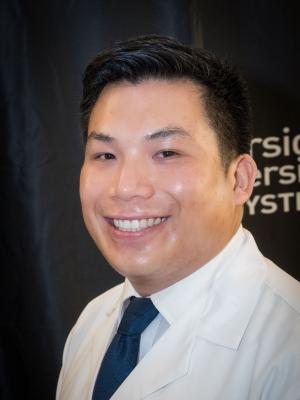
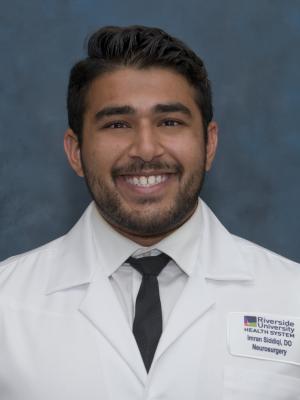
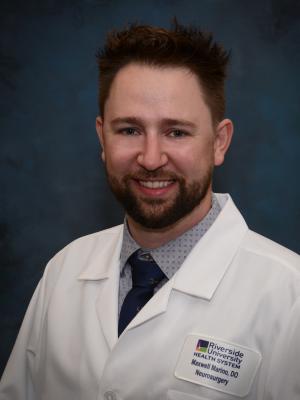
Salary & Benefits
Compensation and benefits for all RUHS residency program trainees
| Year | Annual Salary | Biweekly |
|---|---|---|
| PGY-1 | $74,880 | $2,880 |
| PGY-2 | $76,977 | $2,961 |
| PGY-3 | $80,003 | $3,077 |
| PGY-4 | $83,160 | $3,198 |
| PGY-5 | $86,563 | $3,329 |
| PGY-6 | $89,779 | $3,453 |
| PGY-7 | $92,764 | $3,568 |
Required Disclosure Documents
Per ACGME requirements, the following documents must be made available to all applicants