General Surgery Residency
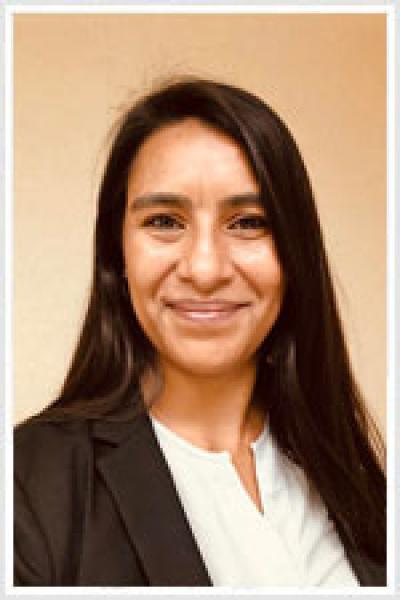
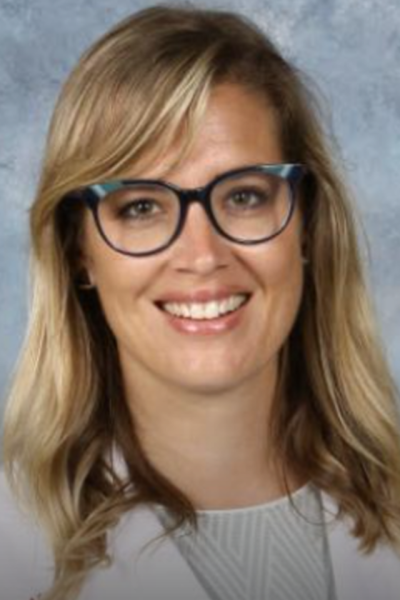
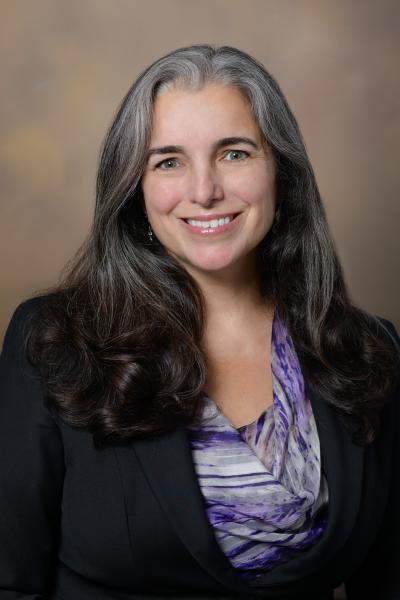
Beatriz Leong, MD
Associate Program Director at RUHS
Curriculum
Year-by-year training structure and rotation schedule
The first year resident rotates on the General Surgical Services at Riverside Unversity Health System (RUHS) as well as Surgical Subspecialties including Trasnplant, vascualr, emergency geenral surgery and SICU. The major goal of the PGY 1 year is to develop entry-level skills, knowledge. and abilities while managing the surgical patient. The PGY 1 resident is responsible for the day-to-day care of surgical patients on the service to which they are assigned under the direct supervision of senior residents and faculty. These activities will provide experience in the principles of pre- and postoperative care. Additionally early operative exposure starts intern year as well with varying degree of graduated responsibilites begiining as observers and then assistant and an operating surgeon working under direct supervision. PGY 1 resident should demonstrate the ability to: Establish basic proficiency in the evaluation of patients under routine and emergency circumstances, recognize surgical emergencies, perform a history and physical examination, order appropriate basic ancillary studies, and effectively communicate findings to other physicians. Establish basic proficiency in providing pre-operative and post-operative care including write appropriate pre-op and post-op orders for floor patients, handle nursing calls appropriately, and manage most routine postoperative care with minimal intervention by supervisors. Develop a working knowledge of common problems in general surgery, transplant, and anesthesia (Achieves acceptable grade on rotation evaluation). Establish a working knowledge and familiarity with common procedures of the surgical specialties (achieves acceptable grade on rotation evaluation). Acquire basic operative skills necessary to perform less complex surgical procedures, such as hernia repair, central line procedures and minor outpatient surgery. Acquire basic skills to perform endotracheal intubation and administer conscious sedation. Develop personal values and interpersonal skills appropriate for the surgical resident (is available at required times, gives patient care needs highest priority). Learn the basics of scientific methodology Develop open and laparoscopic skills through the SAGES curriculum Develop a working knowledge of the core competencies and complete the assigned curriculum for each area. Develop life long habits of self-assessment, self directed learning and reflection upon what has been learned to consciously change behaviors and practices that can improve patient care Improve the communication skills with different members of the health care team Develop a working knowledge of the responsibility in complying with the requirements of the Joint Commission in Hospital Accreditation and how this ultimately improves patient care Examine the ethical underpinnings of clinical practice and address the ethics issues faced every day caring for patients
The second year resident rotates on General Surgery Services at both RUHS and Kaiser Rivserside. The resident also rotates on several surgical sub-specialties including plastic surgery, pediatric surgery, and SICU. The PG2 resident is responsible for day-to-day care of surgical patients on their assigned service and will be supervised at all times by senior residents and faculty. The major goal of the second year of residency is to introduce the resident to critical care, and to allow graded responsibility for patient care, including instruction in pre- and postoperative care, with an emphasis on nutritional and metabolic management. The PGY-2 will gain additional valuable experience in the operating room both as an assistant and as the primary surgeon on uncomplicated minor surgeries. PGY 2 residents should demonstrate the ability to: Develop skill in the provision of pre-operative and post-operative care by managing pre-operative and post-operative care of complex patients with minimal intervention. Establish a knowledge base and skill proficiency for the management of the critically ill surgical patient, place endotracheal tubes, S-G catheters, arterial lines, and performs escharotomy proficiently. (achieves acceptable grade on rotation evaluation) Develop organizational and teaching skills necessary for management of a surgical service (attends to routine organizational duties of service such as organizing rounds and teaching sessions). Acquire basic skills to perform ultrasound evaluations of breast, thyroid and trauma. Develop a working knowledge of and familiarity with the management of common problems in Plastic Surgery, Pediatric Surgery, and SICU. Demonstrate skill in operative technique required for procedures of increasing surgical complexity, such as skin grafting, more complex hernia repairs and complex soft-tissue surgery (is able to perform these operations with minimal assistance). Continue developing a working knowledge of the core competencies and complete the assigned curriculum in each area. Outline key professionalism principles as presented in the College’s “Code of Professional Conduct” and apply it to everyday caring for patients. Develop life long habits of self-assessment, self directed learning and reflection upon what has been learned to consciously change behaviors and practices that can improve patient care Continue to improve the communication skills with different members of the health care team Develop an understanding of the process followed to monitor and improve quality by the hospital as a system of care as well as medical staff in particular
The third year resident rotates on General Surgery Services both at RUHS and Kaiser with clinical experience on the Otolaryngology and Gastroenterology services. The PG3 resident will function under the direct supervision of senior residents and faculty. The principal goals for this year are to learn the direct management of patients, plan and execute surgical procedures, and provide postoperative care. During the operative phase, senior residents and faculty assist the junior resident. This diverse and enriched learning environment should permit the resident to grow and achieve limited independence understanding that assistance is immediately available. PGY 3 residents should demonstrate the ability to: Continue to develop technical skills necessary for the performance of more complex surgical procedures in general surgery, and minimally invasive surgery, e.g., perform laparoscopic cholecystectomy, small bowel resection, and other procedures of similar complexity. Acquire proficiency in surgical endoscopy by successfully performing colonoscopy, EGD, and sigmoidoscopy. Establish a knowledge base, judgment and interpersonal skills necessary to function as a surgical consultant by successfully managing entry-level consults with minimal direct supervision. Continue developing a working knowledge of the core competencies and complete the assigned curriculum in each area. Develop enhanced skills in the management of a surgical service by managing service administrative duties assigned by the chief resident or faculty. Proficiency in the rational use of surgical literature and evidence-based medicine (defends discussions and recommendation with scientific evidence). Outline key professionalism principles as presented in the College’s “Code of Professional Conduct” and apply it to everyday caring for patients. The ability to communicate and interact with patients in difficult situations Learn the role of medical staff committees and function as a committee member
The fourth year resident rotates on General Surgery Services at RUHS, including vascular surgery and thoracic surgery at Kaiser. The PG4 resident will function under the direct supervision faculty. The principal goal of this year is to develop a higher level of responsibility in the direct management of patients, planning and executing preoperative care, surgical procedures, and resolving postoperative complications. Consequently, the PGY 4 resident is provided with an environment of growth and semi-limited independence. PGY 4 residents should demonstrate the ability to: Continue to develop knowledge and skills necessary for the complete management of common problems in general surgery, vascular surgery, thoracic surgery and surgical oncology while managing most common problems with minimal assistance. Continue developing a working knowledge of the core competencies and complete the assigned curriculum in each area. Develop knowledge and skills necessary to function as the trauma team leader for both adult and pediatric patients and successfully directs trauma resuscitation. Satisfactory performance as a teacher of junior residents and medical students (receives acceptable feedback from students and peers). Outline key professionalism principles as presented in the College’s “Code of Professional Conduct” and apply it to everyday caring for patients. Understand system based issues that will better prepare them to manage finances after residency Ability to effectively communicate with patients about surgical errors and adverse outcomes and incorporate the critical elements of a disclosure conversation in their practice to provide optimum patient care. Continue life long habits of self-assessment, self-directed learning and reflection upon what has been learned to consciously change behaviors and practices that can improve patient care
The fifth clinical residents will be assigned to the General Surgery Services at RUHS and Kaiser, inluding colorectal andsurgical oncology. At the conclusion of this year, the Chief resident should have acquired all the required cases in the Defined Categories established by the ACGME, acquired sufficient professional ability to practice competently and independently, and be qualified and eligible for Board certification. PGY 5 residents should demonstrate the ability to: Develop knowledge and skills necessary to assume complete responsibility for the management of the surgical patient, including mastery of the fundamental components of surgery as defined by the American Board of Surgery (achieves acceptable score on written and oral examinations and receives acceptable evaluations). Demonstrates proficiency in the management of complex problems in general surgery, vascular surgery, surgical oncology and trauma and treats complex problems in the discipline with minimal help. Continue developing a working knowledge of the core competencies and complete the assigned curriculum in each area. Demonstrates personal and professional responsibility, leadership skills and interpersonal skills necessary for independent practice as a specialist in surgery and successfully manages the chief resident services. Outline key professionalism principles as presented in the College’s “Code of Professional Conduct” and apply it to everyday caring for patients. Continue life long habits of self-assessment, self-directed learning and reflection upon what has been learned to consciously change behaviors and practices that can improve patient care Incorporate good communication skills in their daily practice Develop skills to organize and manage a practice after residency
Didactics & Academic Activities
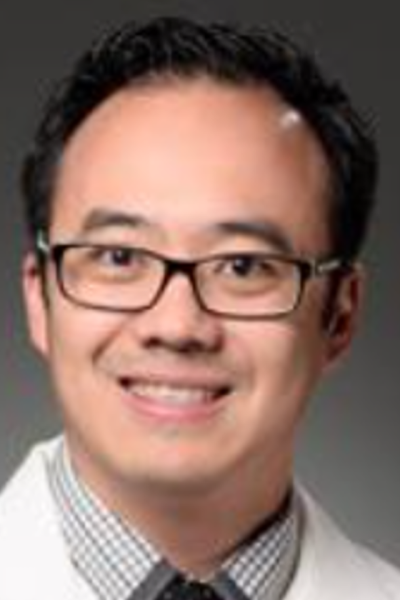
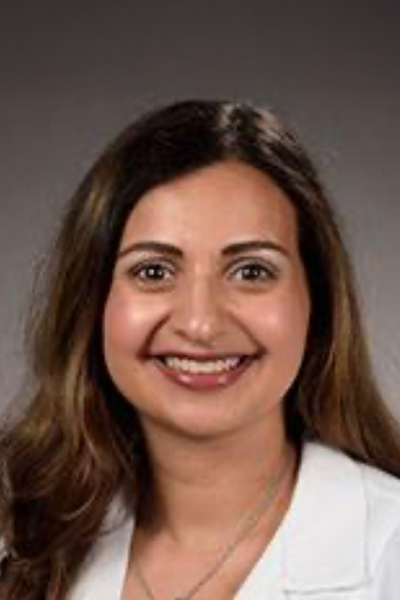
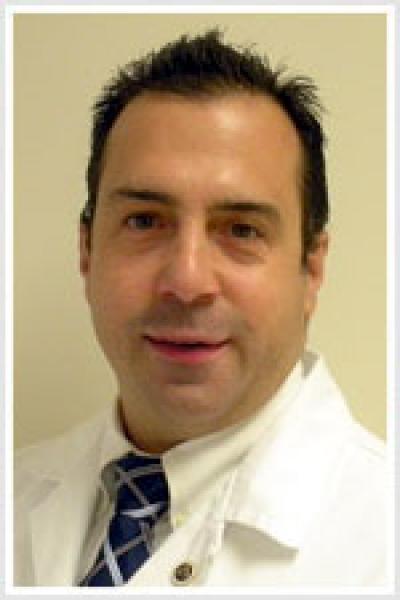
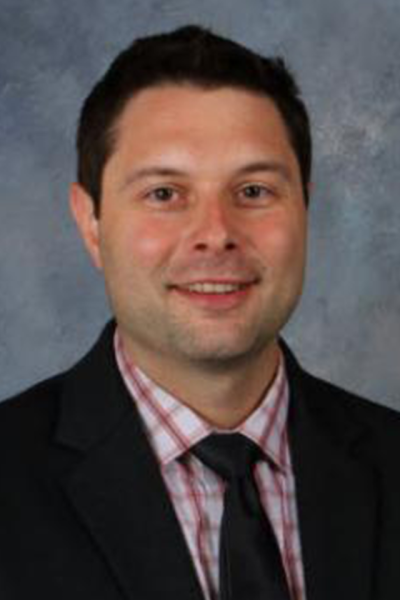
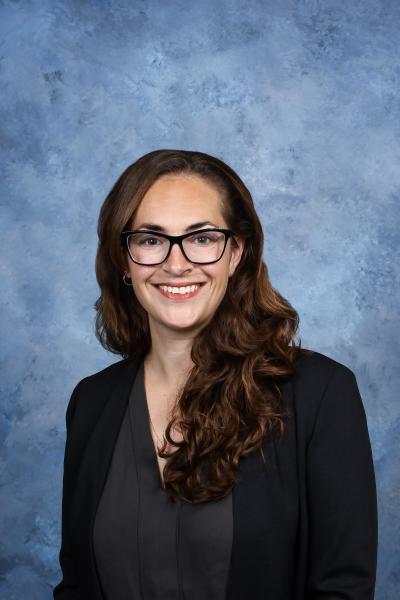
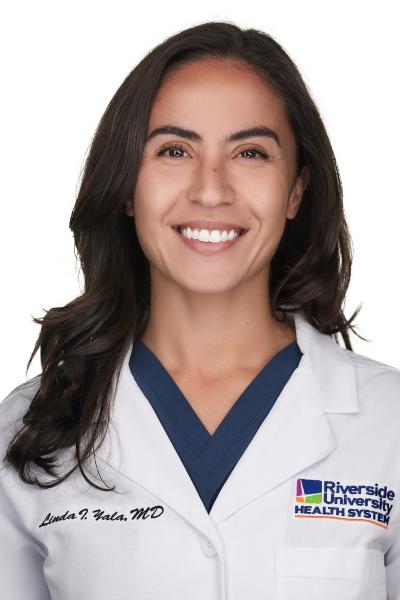
Faculty & Staff
Meet the physicians and coordinators who lead our program
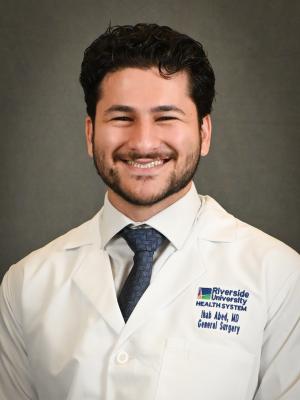
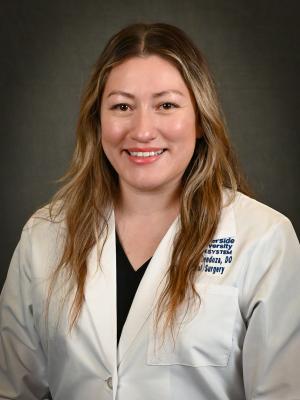
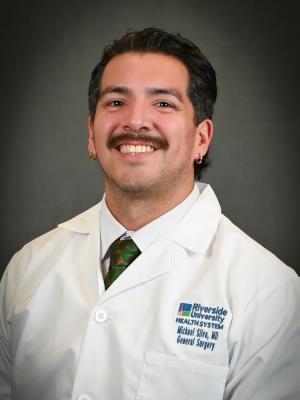
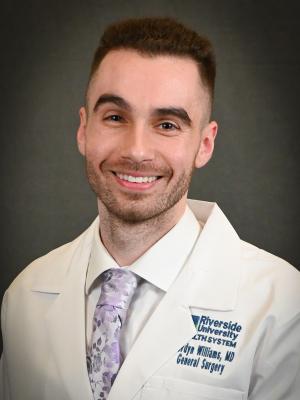
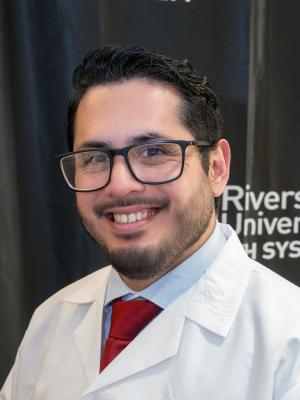
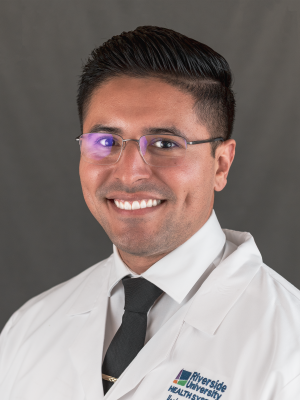
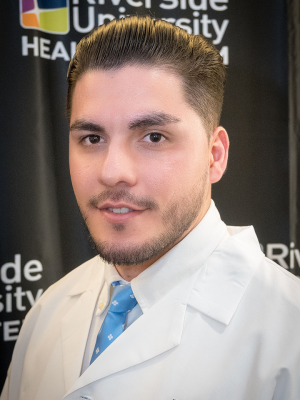
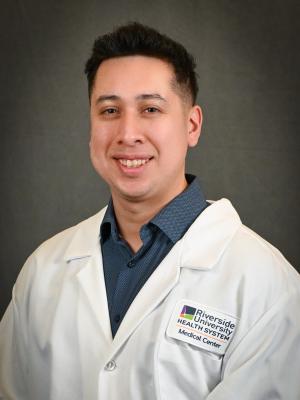
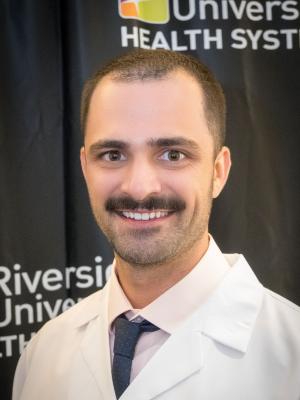
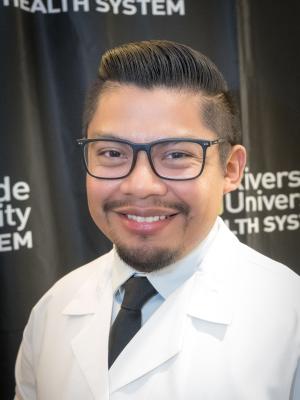
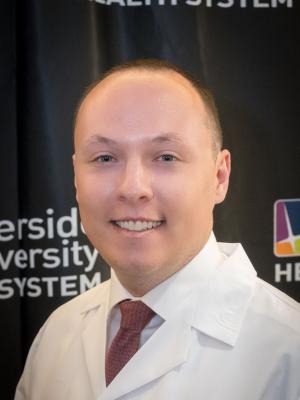
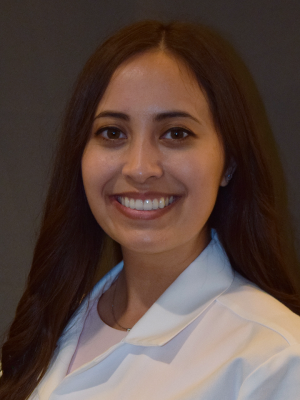
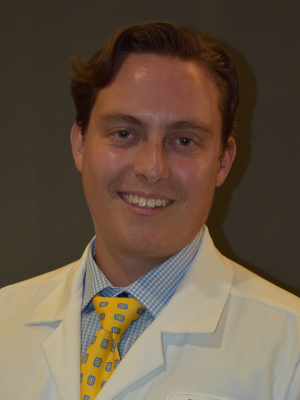
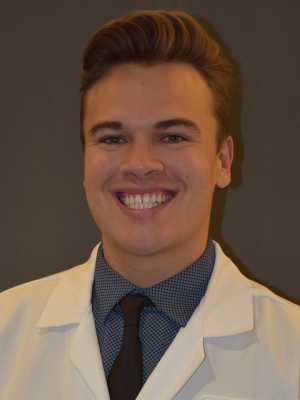
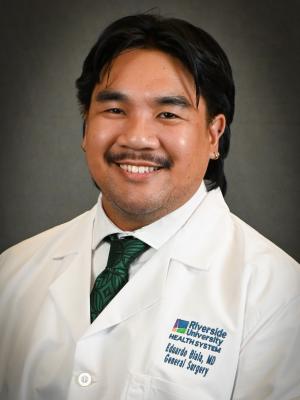
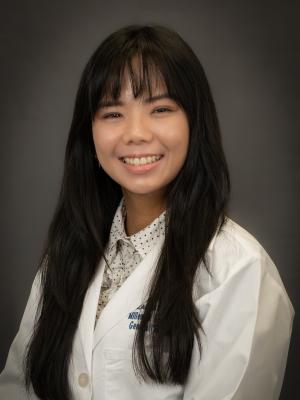
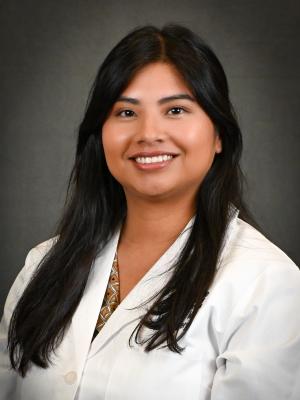
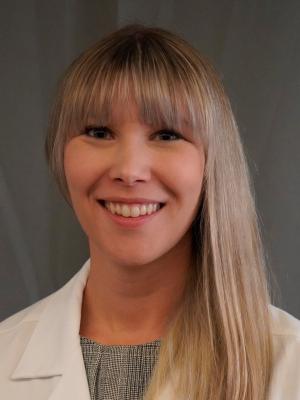
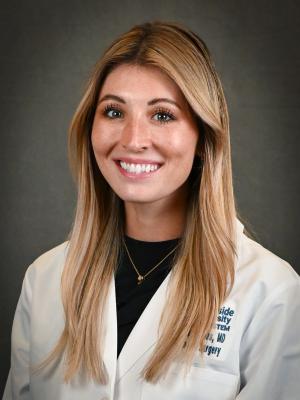
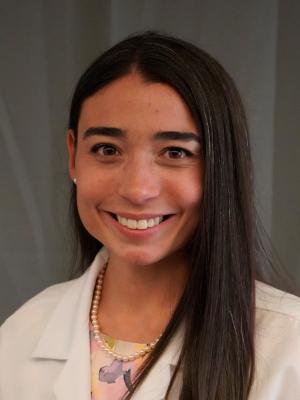
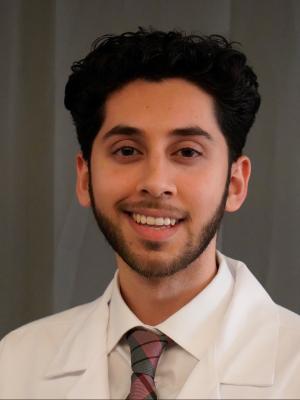
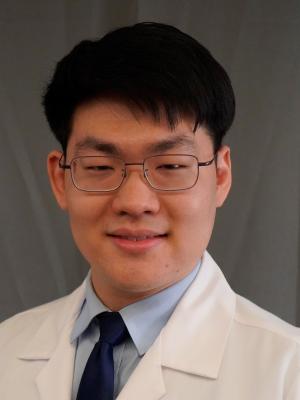
Current Residents
Our resident physicians by training year
Salary & Benefits
Compensation and benefits for all RUHS residency program trainees
| Year | Annual Salary | Biweekly |
|---|---|---|
| PGY-1 | $74,880 | $2,880 |
| PGY-2 | $76,977 | $2,961 |
| PGY-3 | $80,003 | $3,077 |
| PGY-4 | $83,160 | $3,198 |
| PGY-5 | $86,563 | $3,329 |
Required Disclosure Documents
Per ACGME requirements, the following documents must be made available to all applicants